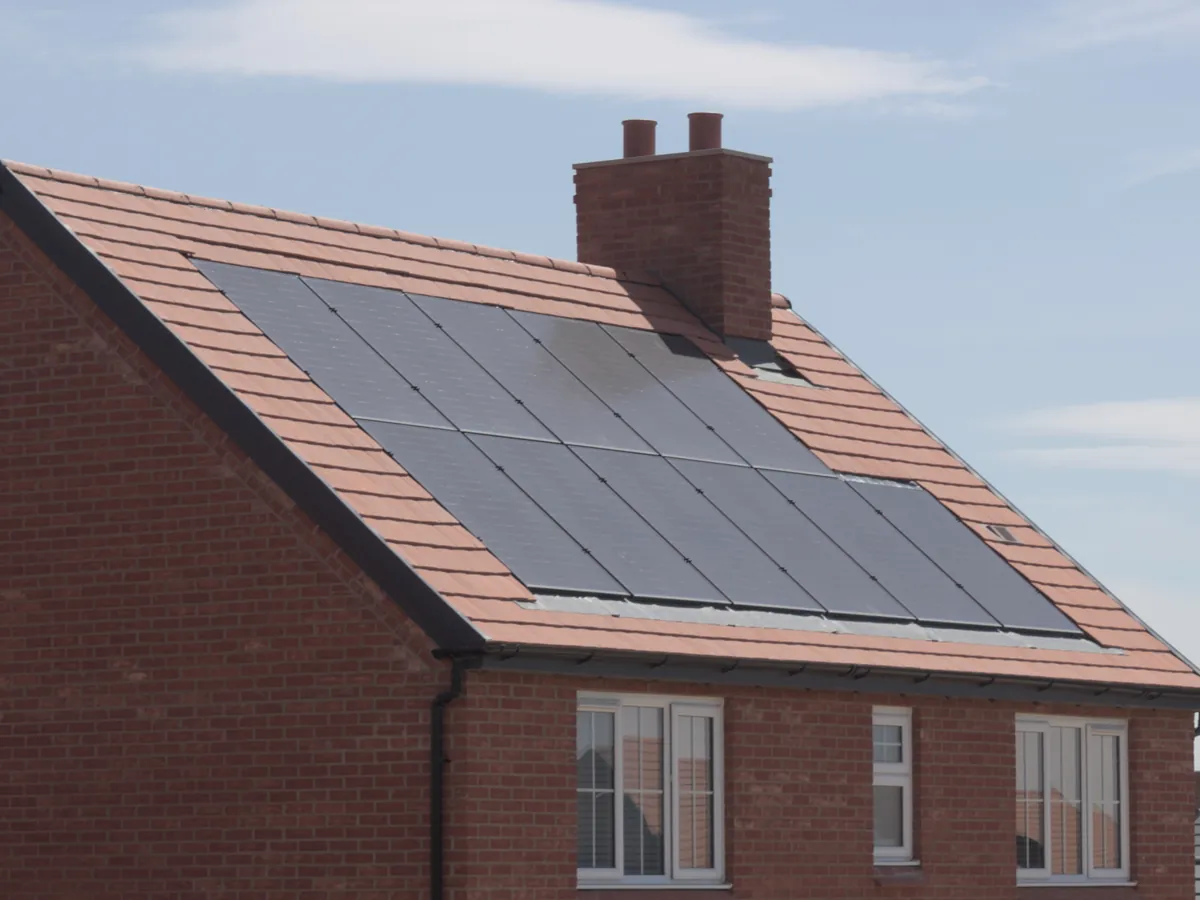
 Residential
Kanpur, UP
3 kW On-Grid System
Rooftop system for an independent house, sized against a ₹4,000 monthly bill with net metering sanctioned by the local DISCOM.
Residential
1–10 kW rooftop systems for independent houses, villas and housing societies — with subsidy paperwork handled end to end and a payback most households see inside four years.
Solar is not universally right, and the segment you sit in changes both the economics and the engineering. These are the situations where this configuration earns its place.
The straightforward case. A clear terrace, a connection in your own name and a bill above ₹2,000 a month is usually enough for the numbers to work comfortably.
Common-area load — lifts, pumps, corridor and podium lighting — runs all day and is billed at higher rates. Solar against it reduces maintenance charges for every flat.
If your summer bill doubles or triples, solar tracks that curve closely. Peak generation and peak air-conditioning happen at the same hours of the day.
The cheapest time to plan for solar. Conduit routing, roof anchor points and inverter placement designed in at the slab stage cost close to nothing.
Indicative figures to set expectations. Your site assessment produces the real numbers, which move with roof area, shading and tariff.
| System size | Suits | Roof needed | Annual generation |
|---|---|---|---|
| 1 kW | 1BHK, bill under ₹1,500 | ~80 sq ft | ~1,460 units |
| 2 kW | 2BHK, bill ₹2,000–3,000 | ~160 sq ft | ~2,920 units |
| 3 kW | 3BHK, bill ₹3,500–4,500 | ~240 sq ft | ~4,380 units |
| 5 kW | Large home with ACs | ~400 sq ft | ~7,300 units |
| 10 kW | Villa or small society | ~800 sq ft | ~14,600 units |
Indicative estimates based on 1,460 units per kW per year. Actual output depends on site conditions.
You pay the full amount and the benefit is credited to your bank account after commissioning and net-meter installation. It is not a discount on the invoice — any quote that shows it as one is quoting a number it cannot hold.
Exported surplus settles at a lower rate than you pay for imports, so an oversized system earns less per unit than it saves. We aim to cover the bulk of your consumption rather than fill every square foot.
National Portal registration, DISCOM application, feasibility approval, net-meter sanction and the subsidy claim itself. You sign; we chase all of it to closure.
Check your roof's solar potential.
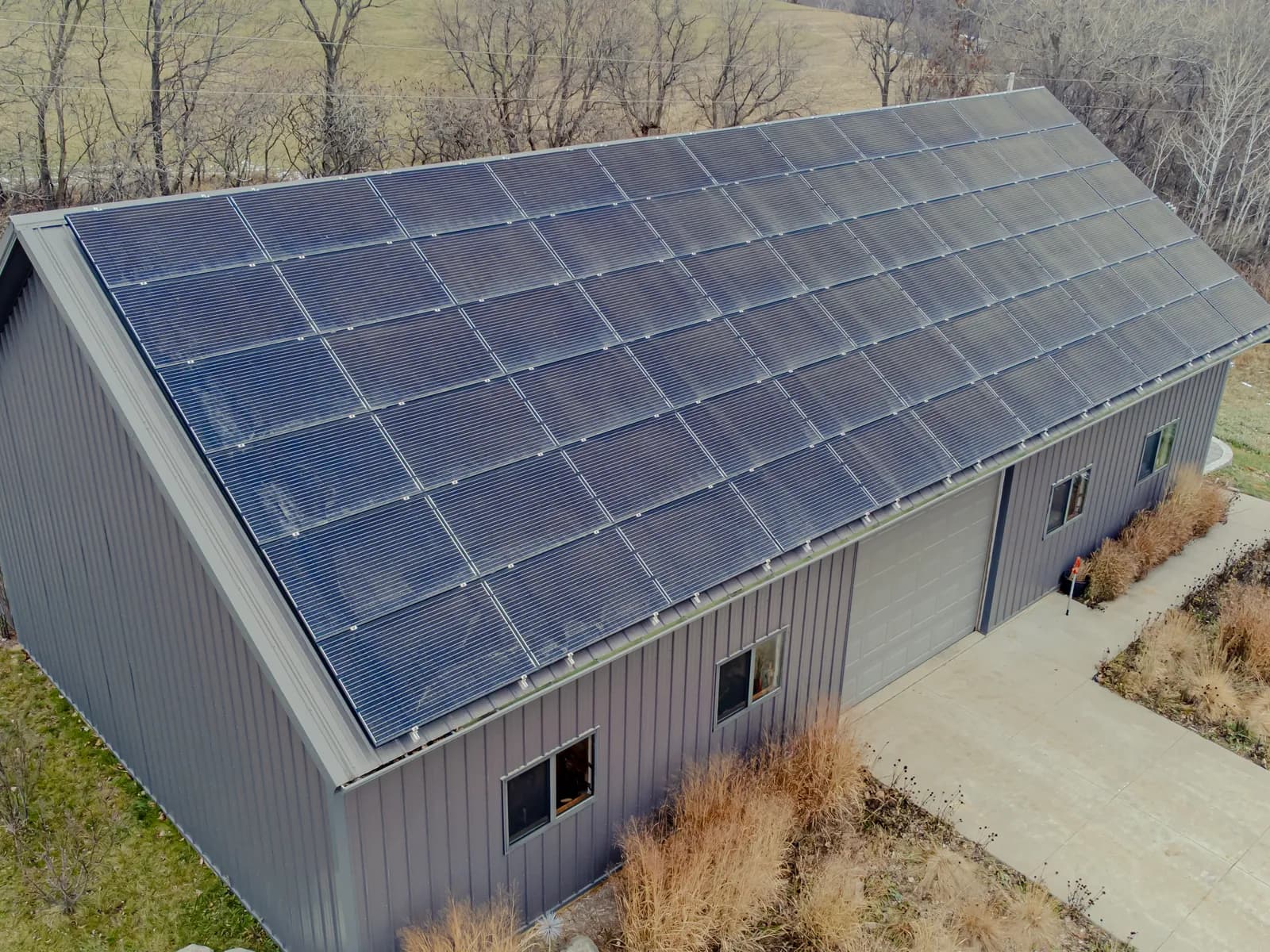
Usable area excludes setbacks, water tanks, stairwells and service access. A site assessment maps real shading through the day, which is what the final layout is designed against.
Transparent pricing. Maximum value.
Estimated Payback
2.1 Years
Indicative example — final pricing depends on system size, site conditions and applicable benefits.
Based on a 3 kW system for a residential connection. Commercial and industrial sites claim accelerated depreciation instead of subsidy.
Residential3 kW On-Grid System
Rooftop system for an independent house, sized against a ₹4,000 monthly bill with net metering sanctioned by the local DISCOM.
Solar is a twenty-five year commitment. These are the things that decide whether it holds up.
Every system is built to MNRE specifications using ALMM-listed modules, so subsidy eligibility is never in question.
Design and installation handled by our own engineering team, with structural and electrical checks at every stage.
National Portal registration, DISCOM applications and net-meter follow-up are handled on your behalf, start to finish.
Scheduled maintenance for the first five years at no cost, and a support line that stays reachable long after that.
Tier-1 modules, BIS-certified inverters, proper earthing and surge protection — the parts nobody sees but everyone depends on.
Send us what you have. We will tell you plainly what is missing from it — component names, structure specification and subsidy treatment are the usual gaps.
A free site assessment, a shading study you keep either way, and one clear price with every component named.
91613 30331