 Industrial
Noida, UP
25 kW On-Grid System
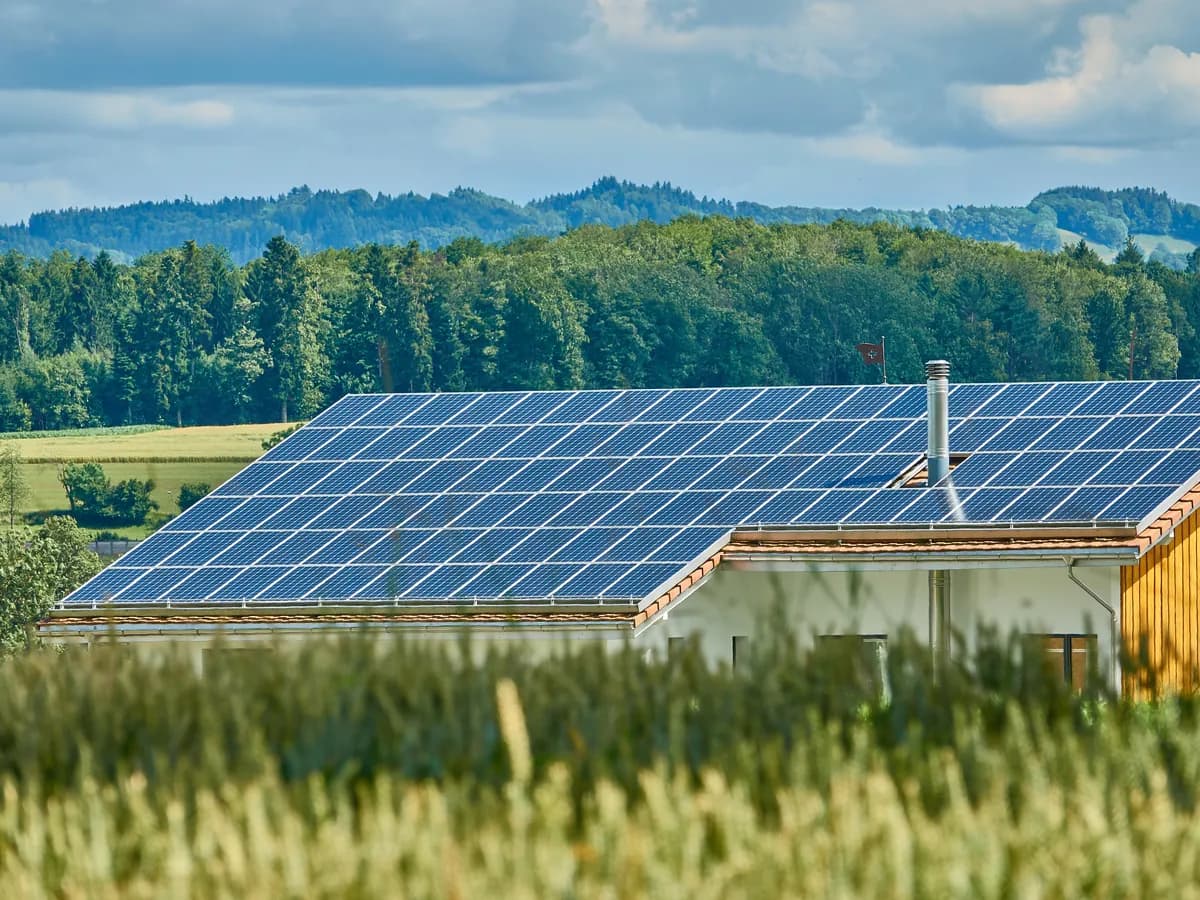
Industrial shed installation on a metal roof with clamp mounting, walkways and string-level monitoring.
Industrial
Large rooftop and ground-mounted systems for manufacturing, warehousing and cold chain. At this scale solar stops being a sustainability line item and becomes a hedge on your cost of production.
Solar is not universally right, and the segment you sit in changes both the economics and the engineering. These are the situations where this configuration earns its place.
Two- and three-shift operations with a heavy daytime base load. Solar covers the shift that overlaps daylight and cuts the units bought at industrial tariff.
Large uninterrupted metal roofs with modest load — often the best case for captive or group captive arrangements under your state's open access policy.
Refrigeration runs continuously with a large daytime component. Solar also reduces diesel backup hours, a saving that rarely appears in payback models but should.
Where power is a significant share of cost of goods, a fixed generation cost for 25 years changes your pricing floor — usually a stronger argument than payback alone.
Indicative figures to set expectations. Your site assessment produces the real numbers, which move with roof area, shading and tariff.
| System size | Suits | Roof needed | Annual generation |
|---|---|---|---|
| 500 kW | Mid-size plant | ~40,000 sq ft | ~7.3 L units |
| 1 MW | Large shopfloor | ~80,000 sq ft | ~14.6 L units |
| 2 MW | Multi-shed campus | ~1.6 L sq ft | ~29.2 L units |
| 3.5 MW | Rooftop and ground hybrid | ~2.8 L sq ft | ~51.1 L units |
| 5 MW | Captive or group captive | ~4 L sq ft | ~73 L units |
Indicative estimates based on 1,460 units per kW per year. Actual output depends on site conditions.
Rooftop captive is simplest and needs no wheeling. Open access lets you site generation off-premises where roof area caps you below your load. We model both and recommend whichever your state policy actually favours.
Industrial sheds were not designed for the additional dead load. Every project starts with a structural audit, and any reinforcement is priced before you commit rather than discovered mid-install.
We sequence by shed and by shift, work above idle bays and stage material outside production corridors, so the line keeps running throughout.
Premium components. Reliable performance.
Where sunlight becomes DC power
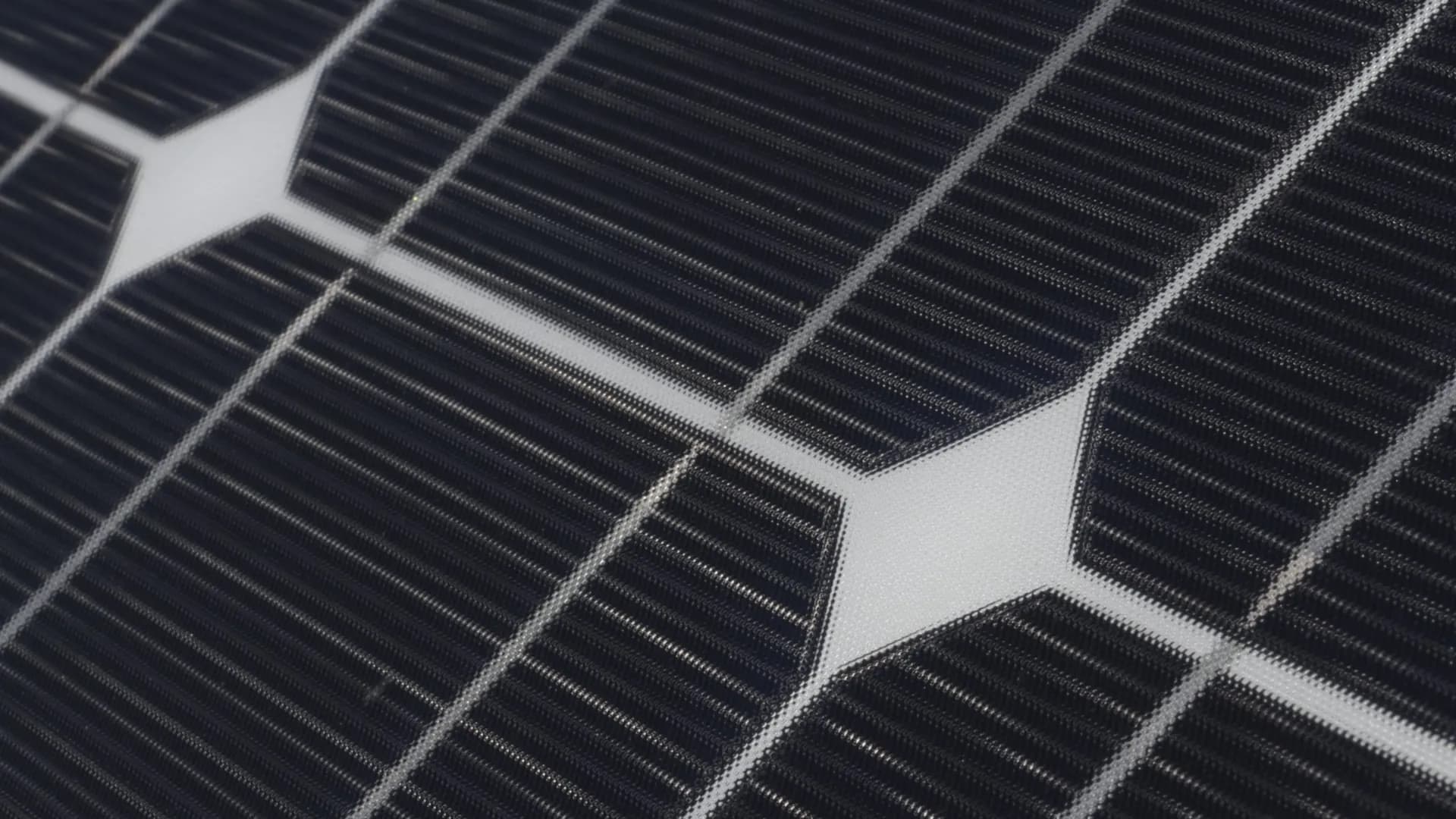
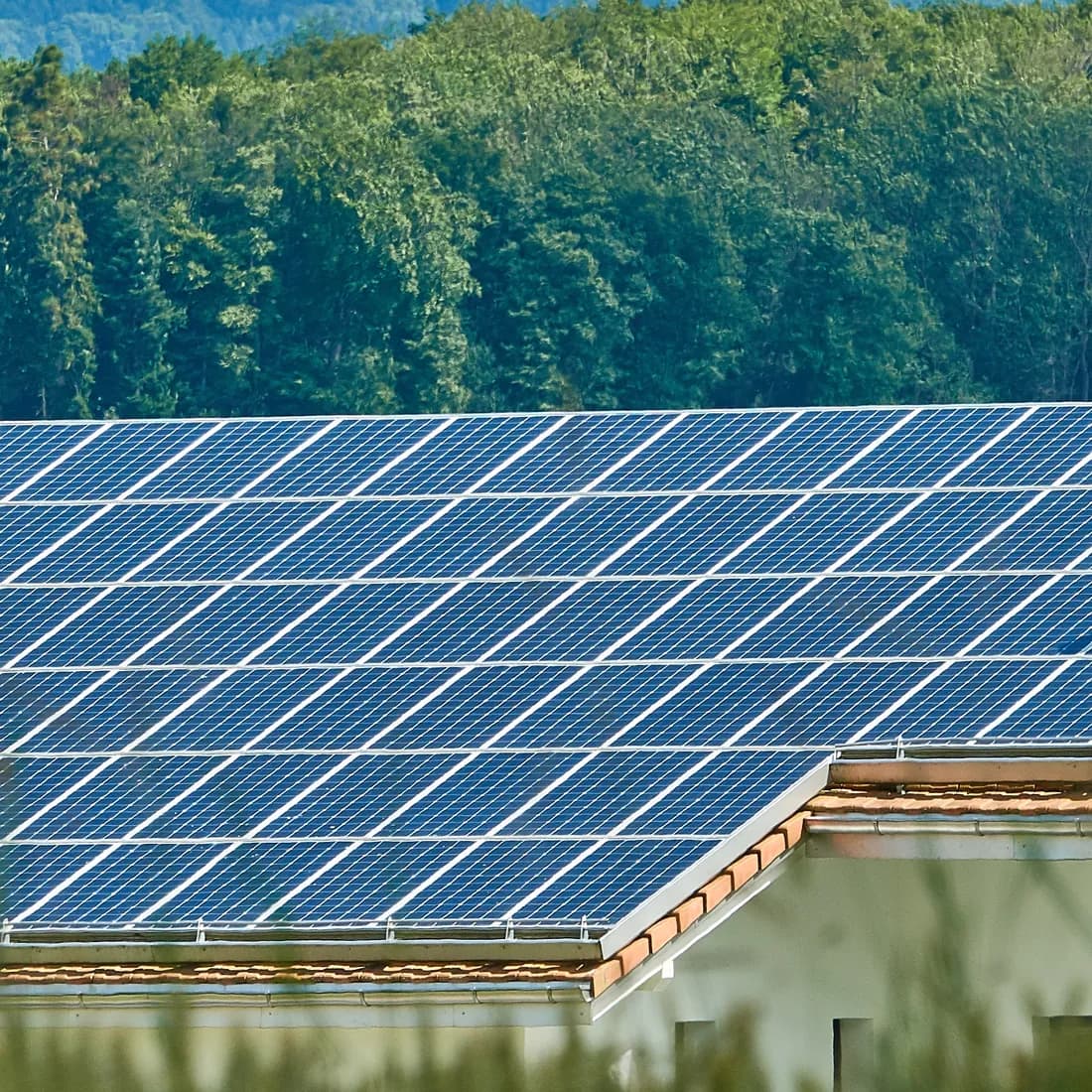
Modules convert sunlight into direct current and account for most of the system's cost and all of its output. We specify ALMM-listed panels with a linear performance warranty rather than a step warranty.
Exact makes and models are confirmed on your proposal after the site assessment.
Track your system performance in real time.
Sample System · Kanpur
3 kW rooftop system · sample data
Power output through the day, in kW
Units generated per day
Sample dashboard using representative figures for a 3 kW system. Every ArkMitra installation includes remote monitoring.
Industrial25 kW On-Grid System
Industrial shed installation on a metal roof with clamp mounting, walkways and string-level monitoring.
Solar is a twenty-five year commitment. These are the things that decide whether it holds up.
Every system is built to MNRE specifications using ALMM-listed modules, so subsidy eligibility is never in question.
Design and installation handled by our own engineering team, with structural and electrical checks at every stage.
National Portal registration, DISCOM applications and net-meter follow-up are handled on your behalf, start to finish.
Scheduled maintenance for the first five years at no cost, and a support line that stays reachable long after that.
Tier-1 modules, BIS-certified inverters, proper earthing and surge protection — the parts nobody sees but everyone depends on.
Send us what you have. We will tell you plainly what is missing from it — component names, structure specification and subsidy treatment are the usual gaps.
Send twelve months of HT bills and a roof layout. You get a feasibility view, a structural assessment and a phased plan with clear pricing per phase.
91613 30331